

In recent times, digital media platforms and podcast culture in Pakistan have increasingly relied on provocative thumbnails and misleading captions to attract views. A recent viral video highlights this troubling trend, where a deeply sensitive marital dispute was reduced to a sensational headline for the sole purpose of increasing engagement. This raises serious questions about media ethics, legal awareness, and public responsibility.
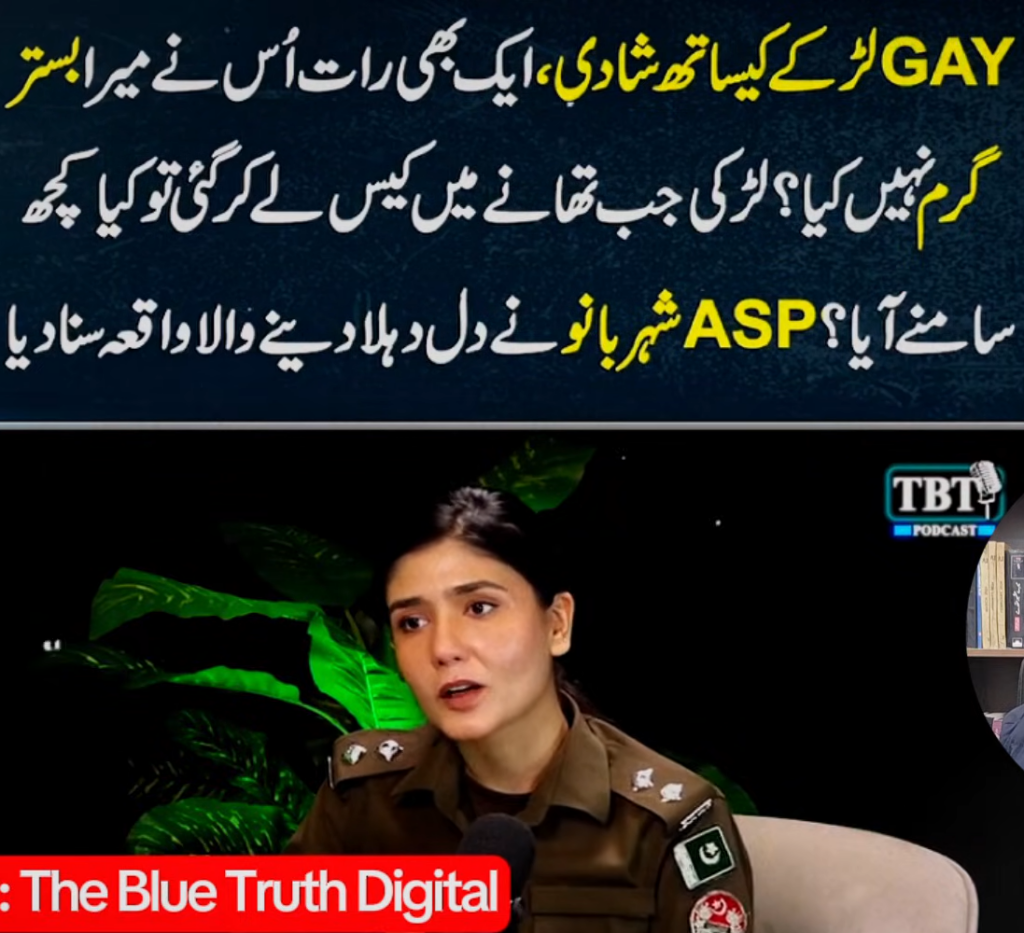
The case discussed in the video involved a woman alleging that her husband concealed an important personal condition before marriage and failed to maintain marital relations. Instead of presenting the matter with sensitivity and legal clarity, the program used an explicit caption implying scandal and sexual dysfunction. Such framing not only humiliates individuals involved but also misinforms the public.
From a legal standpoint, it is essential to clarify that under Pakistani law, concealment of impotence or sexual orientation does not constitute a cognizable criminal offence under the Pakistan Penal Code. Law enforcement authorities have no legal basis to arrest an individual solely on these grounds. While impotence may be a valid ground for dissolution of marriage under family laws, and civil remedies may exist, criminal liability does not automatically arise.
The most alarming aspect of such content is the casual assertion by a law enforcement officer that arrest and criminal proceedings could follow in such situations. This reflects a dangerous gap in legal understanding and contributes to public confusion. Police officers are bound to act strictly within the limits of the law, not personal moral judgments or social pressure.
Equally concerning is the role of media anchors and producers who deliberately employ sexually suggestive thumbnails and captions. This practice undermines journalistic integrity and turns serious legal and social issues into tools for monetization. Ethical journalism demands accuracy, restraint, and respect for human dignity, especially when discussing private matters like marriage and sexuality.
It is imperative that media professionals, legal practitioners, and state institutions act responsibly. Sensationalism may generate views, but it erodes public trust and damages lives. Legal awareness and ethical reporting must take precedence over ratings and viral reach.