
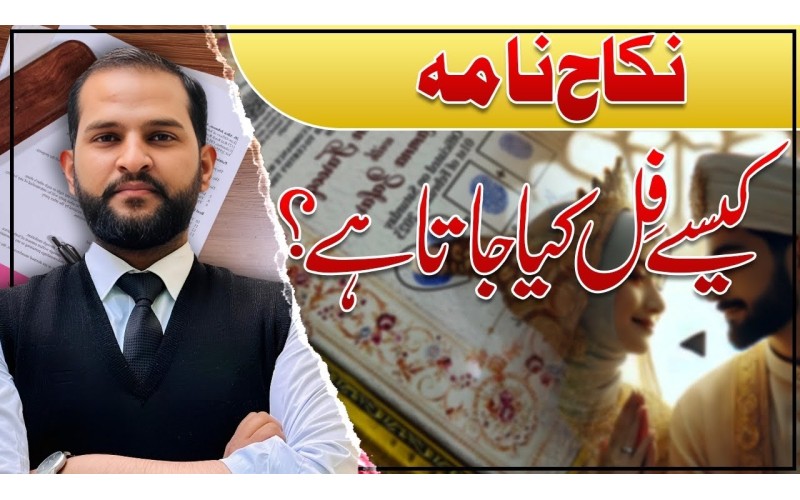
Winter is the peak wedding season. Marriage halls are booked for hours, guests are entertained, and ceremonies are celebrated in style. Yet, the most important document of the entire marriage, the Nikahnama, is often completed in just five to six minutes, without proper attention.
The Nikahnama is not a ritual formality. It is a legal contract that grants a man and a woman the status of husband and wife and governs their rights and obligations for life. Understanding this contract is not optional, it is essential.
What Is a Nikahnama?
A Nikahnama is a legally recognized marriage contract under Muslim family law. It consists of 25 columns, each carrying legal value. While columns 1–12 contain basic information, the real legal strength lies in columns 13 onward.
Unfortunately, due to haste, lack of awareness, or blind trust, many couples sign this document without knowing what they are agreeing to.
Registered vs. Unregistered Nikahnama
One of the most critical aspects of a Nikahnama is registration.
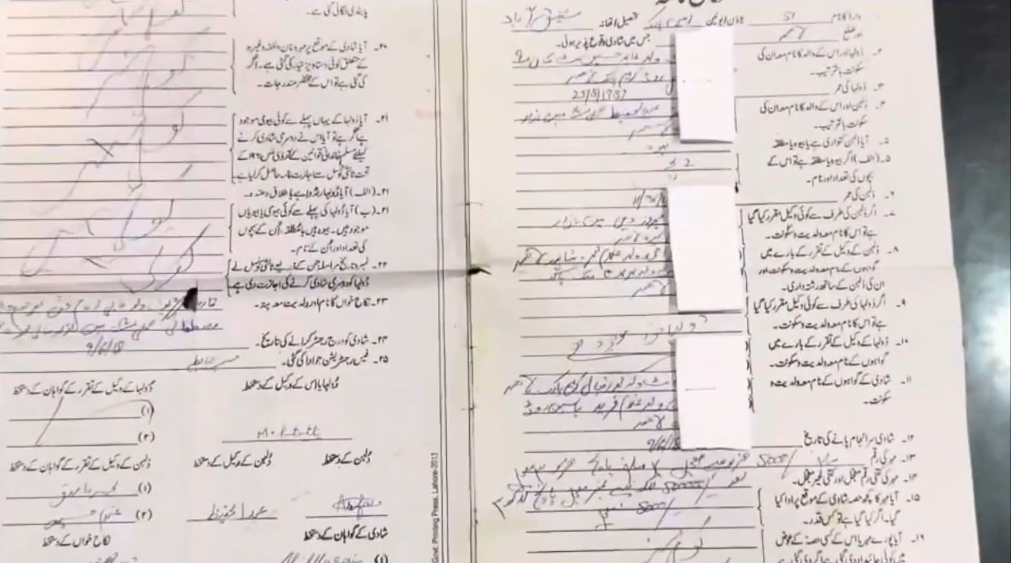
Registered Nikah Nama
How to Identify a Registered Nikahnama
A registered Nikahnama includes:
- Ward number
- Union Council / Town
- Police Station
- District
- Official stamp and seal
- Nikah Registrar’s details
- Registration date
This proves that the marriage is legally recorded with the government.
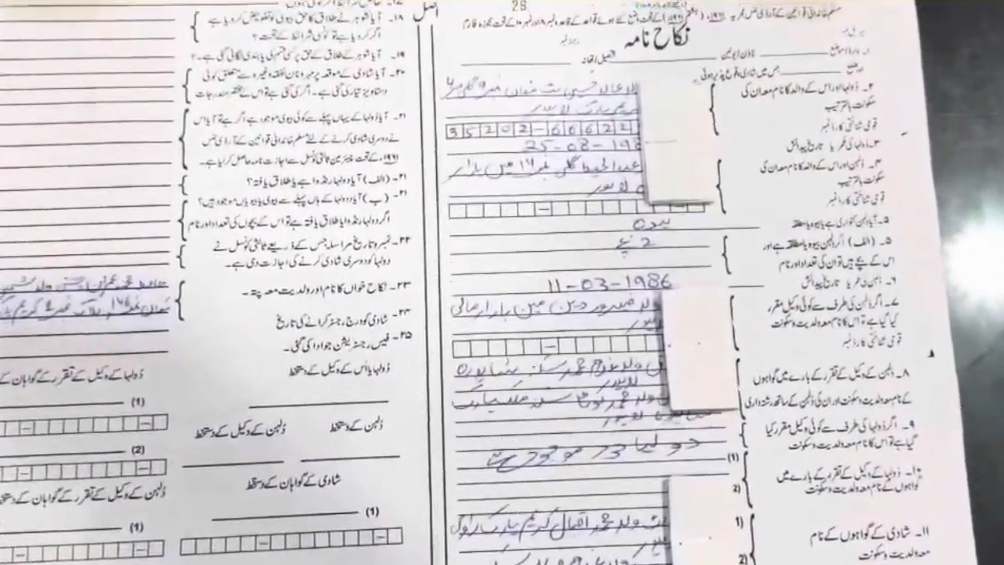
Unregistered Nikah Nama
Why Registration Matters
If a Nikahnama is registered, all written terms, especially Haq Mehr, are legally enforceable.
If it is not registered, the husband can later deny obligations, and the wife may struggle to enforce her rights.
Important: Registration of the Nikahnama is legally the responsibility of the bride, not the groom.
Families must ensure proper registration immediately after Nikah.
Common Risk in Love Marriages
In many love marriages, the groom arranges a lawyer or Nikah registrar who performs the Nikah but does not register the document. There is often no stamp, no ward entry, and no official record.
This creates serious legal vulnerability for the bride. Every marriage, especially love marriages, must have a registered Nikahnama.
Understanding the Most Important Columns
Column 13: Haq Mehr
This column specifies the amount of Haq Mehr. It should be written clearly and realistically.
Column 14: Prompt or Deferred Haq Mehr
- Prompt (Mu‘ajjal): Payable immediately
- Deferred (Ghair Mu‘ajjal): Payable on demand, during marriage, on divorce, on death, or at any time the wife requires it
Deferred Haq Mehr can legally be demanded at any stage.
Column 16: Property in Lieu of Haq Mehr
If property is given instead of cash:
- Full description must be written
- Area, location, structure, rooms, floors
- Exact boundaries and details
Vague descriptions can render claims useless later.
Column 17: Special Conditions
Any mutually agreed conditions can be added here, such as:
- Right to education
- Right to employment
- Residence arrangements
If a condition is not written, it does not legally exist.
Column 18: Delegated Right of Divorce
This column determines whether the husband has delegated the right of divorce to the wife.
If marked Yes, the wife can:
- Seek divorce through Union Council
- Avoid lengthy court proceedings
- Exercise legal autonomy without filing for Khula
This is one of the most powerful protections available to women.
Column 19: Restrictions on Husband’s Right to Divorce
Legally, no restriction can invalidate a husband’s right to divorce. Conditions written here generally hold no legal weight.
Column 20: Maintenance and Other Documents
Details regarding maintenance (nafaqah) or attached documents should be mentioned clearly.
Column 21: Marital Status of Groom
It must be clearly stated whether the groom is:
- Unmarried
- Married
- Previously married
False declarations can lead to legal consequences.
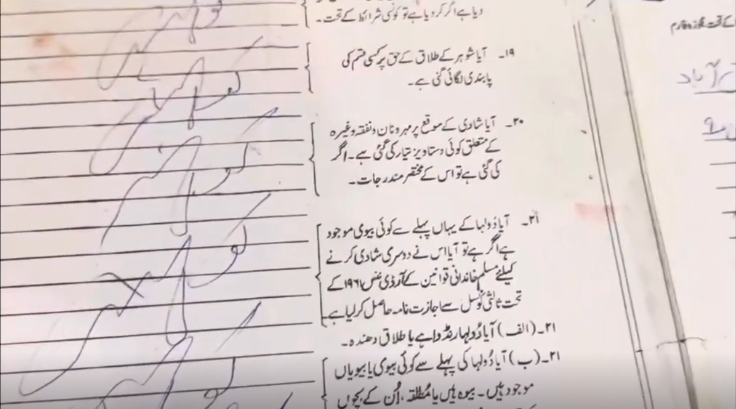
Columns in Nikah Nama
Signatures and Thumb Impressions Matter
Another critical mistake is incomplete authentication.
- Signatures alone can be disputed
- Thumb impressions can be forensically verified
Both the bride and groom should sign and affix thumb impressions in each other’s presence.
A Final Thought
The Nikahnama is completed in minutes, but its impact lasts a lifetime. While wedding halls are booked for hours, this life-defining contract is often ignored. Every couple and especially every bride, must treat the Nikahnama as what it truly is: a binding legal agreement, not a ceremonial paper.
Take your time. Read every column. Ask questions. Insist on registration.
Because awareness today prevents regret tomorrow.