
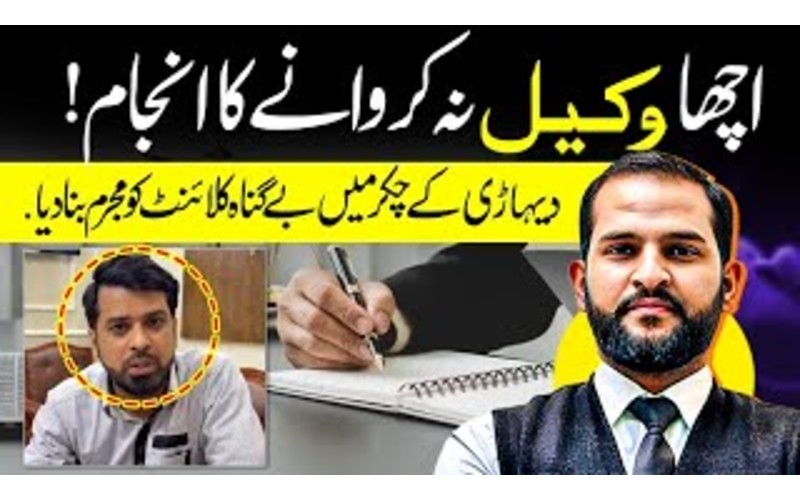
I recently reviewed a case that clearly reflects how ordinary citizens can suffer due to procedural misuse and lack of proper legal guidance.
This was a simple traffic case. The individual was issued a challan for alleged over-speeding, although, according to him, he was not speeding at all. After the ticket was issued, the fine was deposited. He never received any notice from the court. Despite that, a non-bailable warrant was later issued against him.
When he appeared in court, he was approached and told to pay Rs. 3,000 in fees and Rs. 500 as a fine. He was assured that if he paid the amount, he would be acquitted the same day. Trusting this advice, he deposited the Rs. 500 fine and appeared before the Magistrate.
The Magistrate recorded a confessional statement stating that he accepted his guilt and requested leniency. A fine of Rs. 500 was imposed, and with that, he was convicted.
The Hidden Consequences of a “Small” Conviction
On the surface, it may appear to be a minor matter, only Rs. 500. But the real damage lies elsewhere.
This conviction now permanently appears on his character certificate. He is officially recorded as “convicted.” A person who was previously innocent now carries a criminal record.
All of this happened in a case where, legally speaking, a simple application under Section 249 could have resulted in acquittal in a single hearing, especially since there was no substantive evidence available.
The Problem with Confessional Statements
Many people are unaware of the consequences of giving a confessional statement in court. They are often persuaded that it is the quickest way to “finish the case.” What they are not told is that such a statement leads to a conviction, and that conviction can have lifelong consequences.
Once recorded, it is extremely difficult to undo the damage.
People must understand that:
- A confession equals a conviction.
- A conviction affects your character certificate.
- A criminal record can impact job opportunities, visas, and travel abroad.
A Word of Advice to the Public
If you believe a false case or unjust challan has been registered against you:
- Engage a qualified lawyer immediately.
- Do not rely on informal assurances.
- Do not allow anyone to pressure you into giving a confessional statement without understanding the consequences.
- Appear before the court when properly notified.
- Understand your legal options before pleading guilty.
Shortcuts in legal matters often lead to long-term harm.
A Message to the Authorities
This message is also directed to concerned authorities:
- Magistrates should ensure that individuals fully understand the consequences before recording confessional statements.
- Routine recording of confessions without proper explanation can cause serious injustice.
- Administrative oversight is necessary where procedural irregularities occur.
- Law enforcement must avoid issuing false or unnecessary challans that damage citizens’ records.
A Rs. 500 fine may seem insignificant, but a criminal conviction is not.
Justice should protect citizens, not trap them in technicalities.