A single video can spark massive debate, outrage, and division. Recently, a viral clip featuring controversial phrases triggered strong reactions across social media. For some, it was offensive. For others, it was merely a misunderstood attempt at humor or a deeper message.
But the real issue lies beyond the video itself, it lies in how we interpret intent, respond emotionally, and apply the law.
The Context Behind the Viral Video
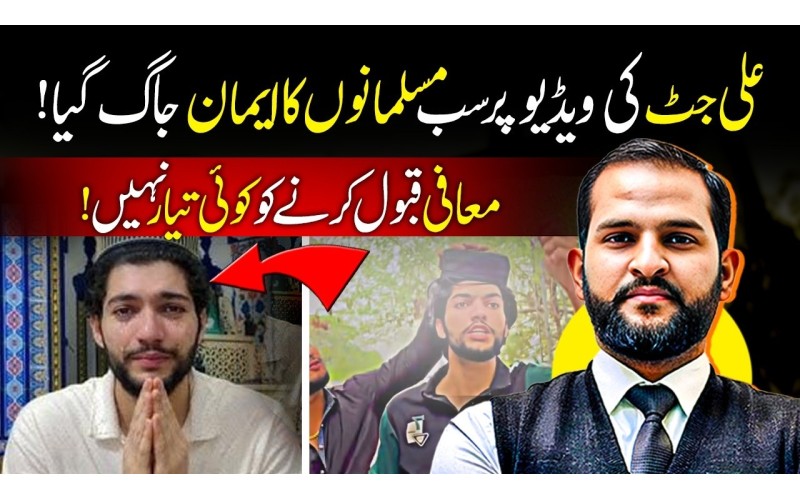
The video in question featured a young individual who, during a moment of irritation, almost uttered abusive language. However, realizing he was fasting, he controlled himself and instead recited religious words.
The concept behind the video was simple:
Even in moments of anger, especially during Ramadan, a person should control their tongue and actions.
While some viewers understood this message positively, many others took it as mockery or disrespect. As a result, the video went viral, not for its message, but for controversy.
Different Reactions from Society
The public response can broadly be divided into three categories:
- Entertainment Seekers:
Some people viewed the video as funny and shared it widely for amusement. - Critics:
Others strongly criticized it, claiming it disrespected religious sentiments. - Opportunists:
A segment of content creators used the controversy to gain views by making reaction or criticism videos.
This reflects a larger issue, how quickly narratives are shaped on social media without understanding intent.
Apology and Accountability
After the backlash, the individual:
- Publicly apologized
- Deleted the video
- Expressed regret and embarrassment
- Sought forgiveness from God and the public
Even his mother appeared, holding the Quran, asking people to forgive her son if he had made a mistake.
This raises an important question:
If a person acknowledges their mistake and sincerely apologizes, should society continue to punish them indefinitely?
Legal Perspective: Section 295-B Explained
Under Pakistani law, Section 295-B of the Pakistan Penal Code deals with the desecration of the Holy Quran.
It states that:
- Anyone who willfully damages, defiles, or uses the Quran in a derogatory manner
- Or uses its content for unlawful purposes
can be punished with life imprisonment.
Key Legal Element: “Willful Intent”
The most important word here is “willful”, meaning intentional.
In criminal law, two essential elements must exist:
- Actus Reus (the act itself)
- Mens Rea (the intention behind the act)
Without intent, the act alone may not constitute a crime of this severity.
So the critical question becomes:
Was the video made with the intention to insult, or was it a misjudged attempt at conveying self-control?
Social Media Trials vs Justice
One alarming trend is how quickly social media becomes judge, jury, and executioner.
- The original voice in the video was reportedly not even the creator’s
- Yet the person who went viral became the sole target
- Public outrage escalated faster than facts could be verified
This highlights the danger of:
- Emotional reactions
- Public pressure
- Viral misinformation
A Call for Balance and Reflection
Religion teaches forgiveness, and law demands proof of intent.
Before reacting, we must ask:
- Are we being fair?
- Are we reacting emotionally or rationally?
- Are we destroying someone’s life over a mistake they’ve already admitted?
It is also worth reflecting that many serious injustices go unnoticed, while minor controversies receive overwhelming attention.
Conclusion
Mistakes happen. What matters is how they are handled.
If a person:
- Did not act with malicious intent
- Realizes their mistake
- Publicly apologizes
Then both morally and legally, there must be room for forgiveness.
In a world driven by viral outrage, we must not lose sight of justice, compassion, and عقل (reason).
Because sometimes, the person we are condemning may be better in faith than we assume , and ultimately, accountability belongs to God.