
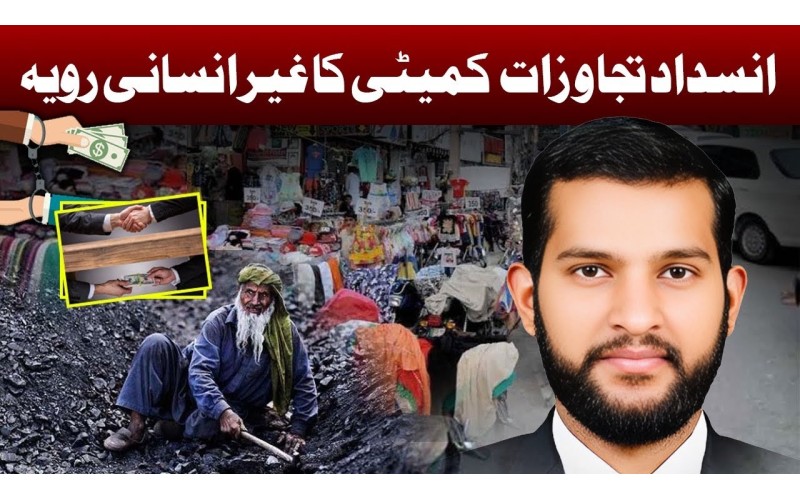
It is time to regulate with fairness, transparency, and humanity.Nearly 30% of people in our country earn their livelihood through small-scale informal work. They set up carts (rehri), sell fruits, vegetables, milk, or other basic items, and feed their families through daily earnings. These are not large business owners. These are individuals who cannot afford shop rent, utility bills, or commercial property costs.
They operate outside markets, on sidewalks, and along roads, not by choice, but by necessity.
In a country already struggling with unemployment, limited government jobs, inadequate healthcare access, and weak public education infrastructure, these street vendors represent survival through hard work.
Anti-Encroachment Drives in Punjab
Over the past month, anti-encroachment operations across Punjab have disproportionately affected street vendors.
Take the example of Shahdara market. Hundreds of vendors operate on pushcarts there, selling milk, fruits, and vegetables. When authorities conduct anti-encroachment raids:
- Carts are confiscated.
- Goods are seized.
- FIRs are registered.
- In some cases, serious charges are added, including allegations of attacking officials or attempted violence.
Confiscating illegal encroachment is one thing.
But filing multiple criminal cases against poor vendors trying to protect their only source of income raises serious concerns about proportionality and fairness.
The Real Issue: Policy vs. Practice
Let us be clear:
Encroachment is technically illegal.
Public pathways should remain accessible.
However, enforcement must be humane, structured, and corruption-free.
Reports suggest that in many areas:
- Vendors are allegedly forced to pay monthly bribes.
- Encroachment inspectors collect informal payments.
- Local police allegedly demand “monthly” protection money.
- When payments stop, enforcement intensifies.
If anti-encroachment drives become tools of selective enforcement or revenue extraction, the policy loses moral legitimacy.
Reform Should Include Rehabilitation
If a market has 250–300 vendors operating in one location and the government decides to clear it, then the responsible approach is:
- Develop an alternative vending market.
- Allocate designated spaces.
- Provide structured rental arrangements.
- Issue identification cards or licenses.
- Shift vendors in an organized manner.
In some areas, such relocation efforts have been attempted. But in many places, vendors are simply removed without any alternative.
This creates economic displacement without offering a solution.
The Economic Reality of Street Vendors
These vendors:
- Pay indirect taxes on everything they purchase.
- Educate their children in private schools when public systems fail.
- Receive little to no social protection.
- Have no medical insurance.
- Have no unemployment support.
- Work without formal labor protections.
They are not criminals.
They are citizens trying to survive.
A Call to the Government of Punjab
There is nothing wrong with regulating urban spaces.
There is something deeply wrong with punishing poverty.
Anti-encroachment committees must be monitored.
Corruption within enforcement units must be addressed.
Bribe collection under the guise of regulation must stop.
Clear policies for vendor relocation must be implemented before eviction.
Good governance is not about clearing streets overnight.
It is about balancing law, order, and human dignity.
Justice and Responsibility
When poor families lose their carts, they lose:
- Their daily income
- Their children’s school fees
- Their ability to buy food
- Their dignity
Governments must remember: the prayers, and the pain, of the poor carry weight.
Reform must not become oppression.
Regulation must not become exploitation.
Enforcement must not become humiliation.
A compassionate policy can bring order without injustice.