
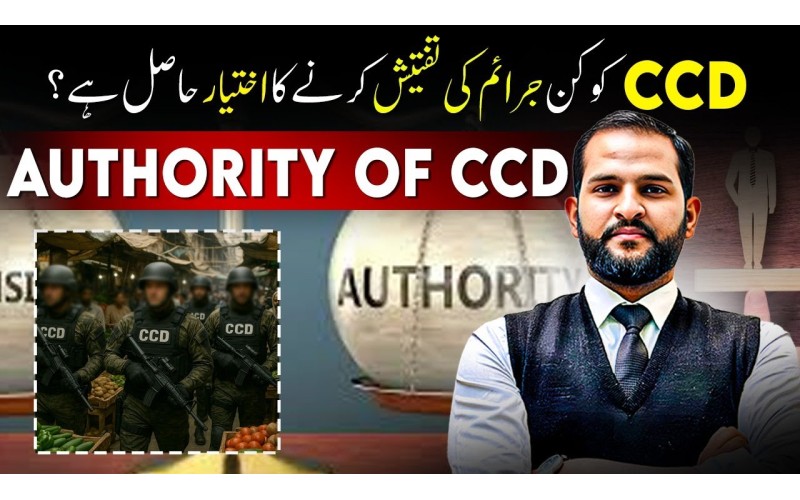
In 2002, Pakistan introduced a major police reform law known as the Police Order 2002. Its purpose was ambitious: to modernize the policing system, improve accountability, control crime, and make law enforcement more self-oriented with proper checks and balances.
For many years, organized crime investigations were handled under Section 18-B of this law through the Organized Crime Unit (OCU), commonly known as the CIA. However, on 29 May 2025, the Punjab Government amended the Police Order. Section 18-B was removed and replaced with Section 18-C, formally establishing the Crime Control Department (CCD).
This marked a significant shift in Punjab’s crime-fighting strategy.
What Is the Crime Control Department (CCD)?
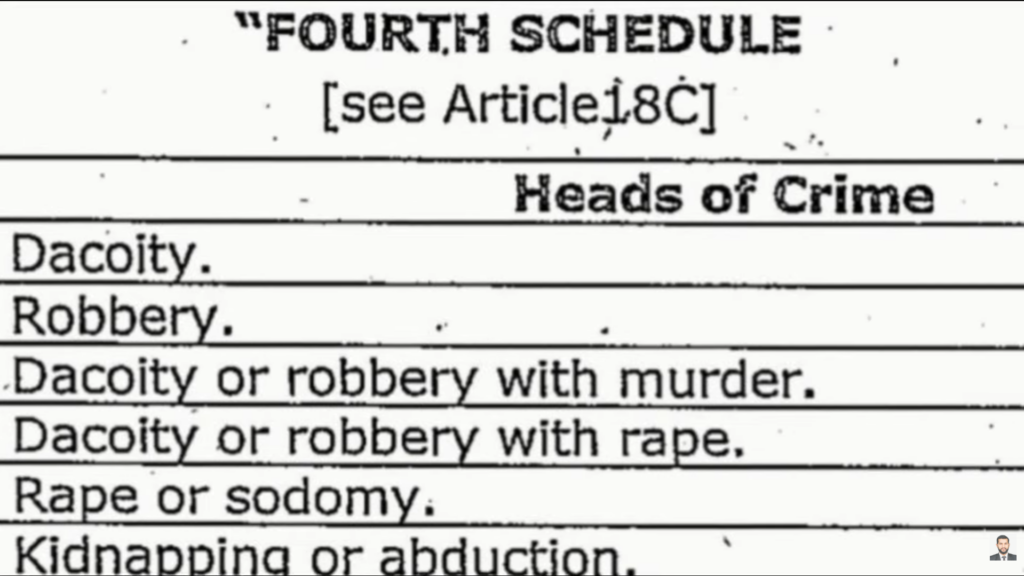
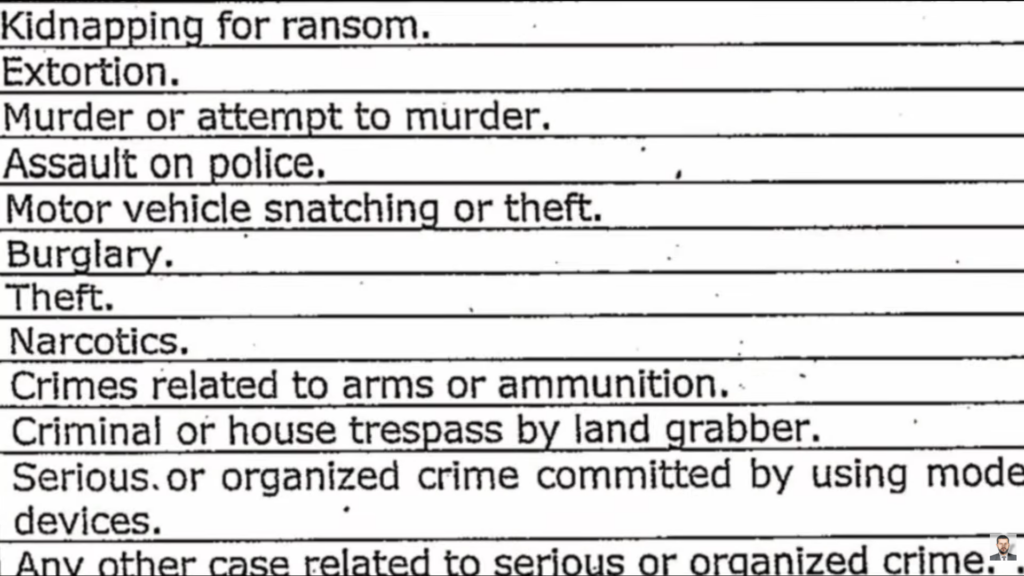
The CCD was created to investigate and control 18 serious offenses listed in the Fourth Schedule of the law. These mainly involve violent and organized crimes, including:
- Theft
- Burglary
- Robbery
- Dacoity (robbery committed by five or more persons)
- Extortion
- Abduction
- Kidnapping
- Kidnapping for ransom
- Murder and heinous murder
- Dacoity with murder
- Dacoity with rape
To clarify some key terms:
- Theft means taking someone’s property without consent.
- Burglary is theft committed after entering a home or building.
- Robbery involves taking property using force or threat (for example, at gunpoint).
- Dacoity is robbery carried out by five or more people acting together.
Although Punjab Police already had authority over these crimes, the CCD was created as a specialized department with enhanced tools and resources. Since its formation, crime rates in several areas have reportedly declined, an outcome many consider a short-term success.
High-Profile and Heinous Crimes
Beyond the listed offenses, the CCD is also empowered to investigate high-profile cases and crimes of a heinous nature, especially where ordinary police units lack the technical capacity or operational reach.
On paper, this makes CCD a powerful institution designed to target hardened criminal networks.
But power without accountability comes at a price.
The Dark Side: Fake Encounters
While CCD may have helped suppress crime temporarily, there is an uncomfortable truth: much of this “control” has allegedly relied on fake police encounters.
No matter how dangerous a suspect may be, killing someone without trial cannot be justified.
Pakistan’s legal system already defines punishments:
- Theft: up to 7 years
- Burglary: up to 7 years
- Robbery: up to 10 years
- Dacoity: up to 14 years
- Heinous crimes: life imprisonment or death, but only through judicial process
The authority to take a life lies solely with the judiciary, not with any police department.
Executing people based on suspicion, intelligence reports, or operational assumptions is itself a crime.
Why Extrajudicial Killings Create More Crime
Even if out of 1,200 encounters, authorities believe 1,100 were “justified,” the remaining innocent victims matter deeply.
Every wrongful killing leaves behind:
- Orphaned children
- Grieving parents
- Broken families
These shattered lives often become breeding grounds for future crime, resentment, and radicalization. Instead of eliminating criminal networks, such practices risk creating new generations of offenders.
True justice does not come from the barrel of a gun, it comes from fair investigation, transparent trials, and lawful punishment.
Conclusion
The Crime Control Department was established to strengthen law enforcement, not replace courts.
If Pakistan truly wants lasting peace, it must ensure that CCD operates strictly within legal boundaries. Crime cannot be cured by committing more crime. Sustainable security depends on rule of law, judicial oversight, and respect for human life.
Without this balance, any short-term gains will eventually turn into long-term losses for society.