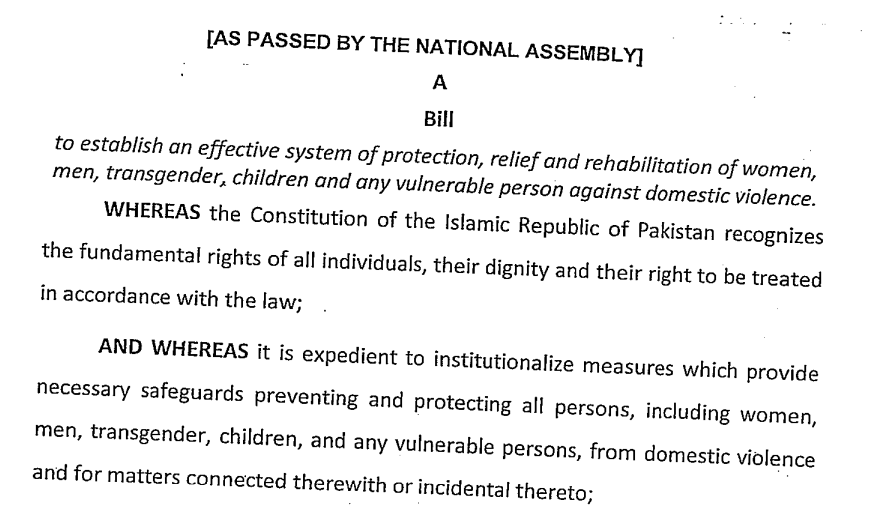
Recently, in the Islamabad Capital Territory (ICT) Domestic Violence Protection and Prevention Act, 2025 has been passed by the Parliament. This law extends and strengthens the earlier framework introduced in 2020 and has sparked significant public debate. Many people fear that after the enactment of this law, even minor arguments or harsh words could lead to criminal liability. However, such concerns largely stem from misunderstanding the law.
It is essential for every resident of Islamabad Capital Territory to properly understand this Act, why it was introduced, what it covers, and how it is intended to function.
Why Was This Law Introduced?
Pakistan is a signatory to the Convention on the Elimination of All Forms of Discrimination Against Women (CEDAW), an international treaty that obligates the state to take effective measures to protect women and vulnerable persons from violence and discrimination. In light of these international commitments, this bill was presented in the National Assembly by Dr. Sharmila Faruqui and subsequently passed into law.
Historically, domestic disputes were often dismissed by police and courts as “family matters.” Complaints of violence were routinely referred back to homes under Section 22-A/22-B Cr.P.C., which unfortunately allowed abuse to escalate, sometimes resulting in severe injuries or even murder. This Act aims to intervene before such tragedies occur.
Who Does the Law Protect?
A common misconception is that this law is only for women. In reality, the Act provides protection to:
- Women
- Men
- Children
- Transgender persons
Any individual who is subjected to domestic violence within a shared household can seek protection under this law.
Forms of Domestic Violence Covered
The Act recognizes multiple forms of domestic violence, including:
1. Physical Violence
Any act causing physical injury or harm. While serious physical injuries are already punishable under the Pakistan Penal Code, this Act ensures early intervention and protection orders.
2. Psychological and Emotional Violence
This is one of the most significant aspects of the Act. It includes:
- Insults, ridicule, or humiliation
- Abusive language directed at the aggrieved person
- Threats of physical harm
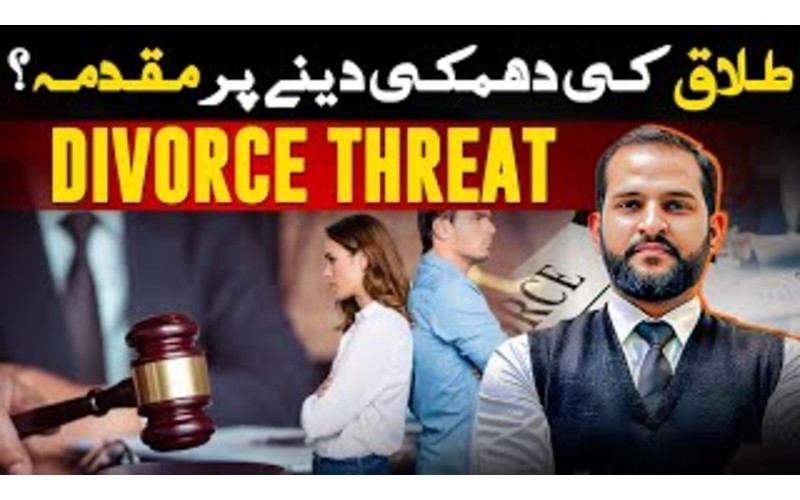
- Threats of divorce or second marriage
- False allegations on character
- Stalking, harassment, or social isolation
- Willful neglect or emotional abandonment
These behaviors, when persistent and harmful, qualify as domestic violence.
3. Economic Abuse
Failure to provide legally required maintenance (nafaqah) to one’s spouse or children, deliberate financial pressure, or controlling access to financial resources falls under economic violence.
4. Sexual Abuse
Any act that humiliates, degrades, violates dignity, or involves non-consensual behavior, including recording or sharing private videos, constitutes sexual abuse and domestic violence under this Act.
Punishment and Legal Consequences
A respondent found guilty under the Act may face:
- Imprisonment up to 3 years
- Fine ranging from PKR 20,000 to PKR 100,000
- Or both
Abetment of domestic violence, such as parents or relatives encouraging or facilitating abuse, is also punishable with the same penalties.
Role of Family Courts
Complaints under this Act are filed in Family Courts, which are granted extensive powers, including:
- Issuing Protection Orders
- Passing Interim Orders
- Granting monetary compensation
- Restoring the aggrieved person to the shared household
- Directing police to ensure immediate protection
This framework is similar to the Punjab Protection of Women Against Violence Act, 2016, which has already been implemented and tested in Punjab with considerable effectiveness.
Concerns About Misuse
Like any law, there is a possibility of misuse. Both men and women may attempt to exploit its provisions. Therefore, fair implementation, judicial scrutiny, and responsible enforcement are crucial. The true purpose of the Act is not to criminalize ordinary family disagreements, but to prevent real abuse and protect human dignity.
Conclusion
The Islamabad Domestic Violence Protection and Prevention Act, 2025 is a progressive and necessary step aimed at protecting vulnerable individuals from abuse within the home. If implemented correctly, it has the potential to reduce cruelty, prevent serious crimes, and provide timely legal protection.
Understanding the law is the first step toward ensuring that it serves justice rather than fear.