
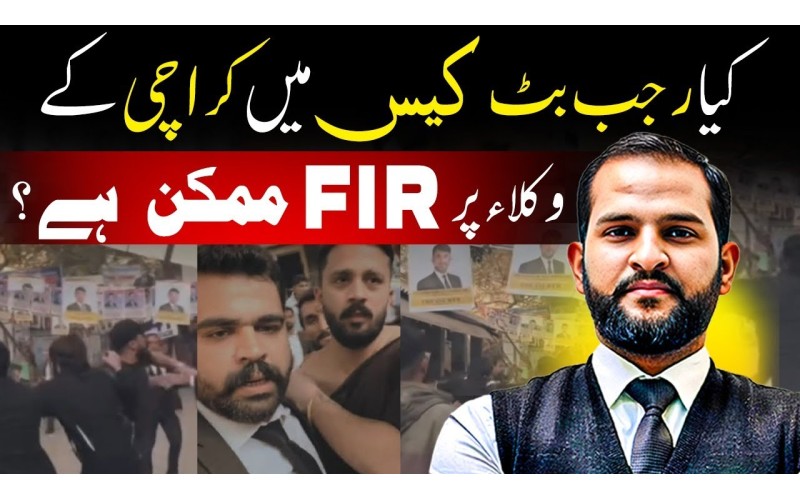
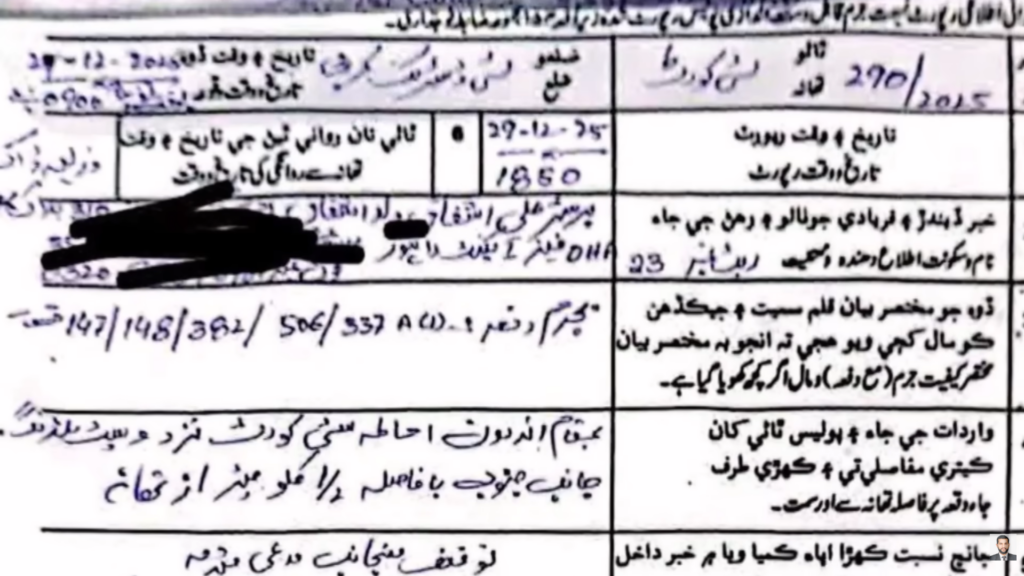
The recent FIR registered at City Court Karachi (FIR No. 290/2025) against certain advocates has triggered serious legal, professional, and ethical debates within the legal fraternity. The core question remains: Was the registration of an FIR legally justified, or should the matter have proceeded through an Istighasa or bar council disciplinary process instead?
This article aims to explain the legal position in simple terms for public understanding.

Background of the Incident
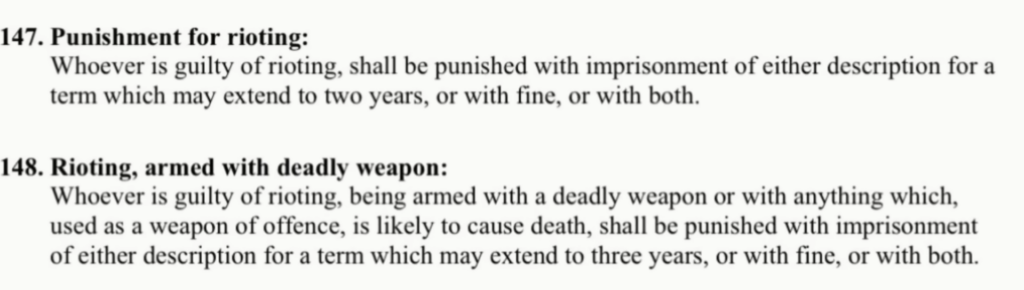
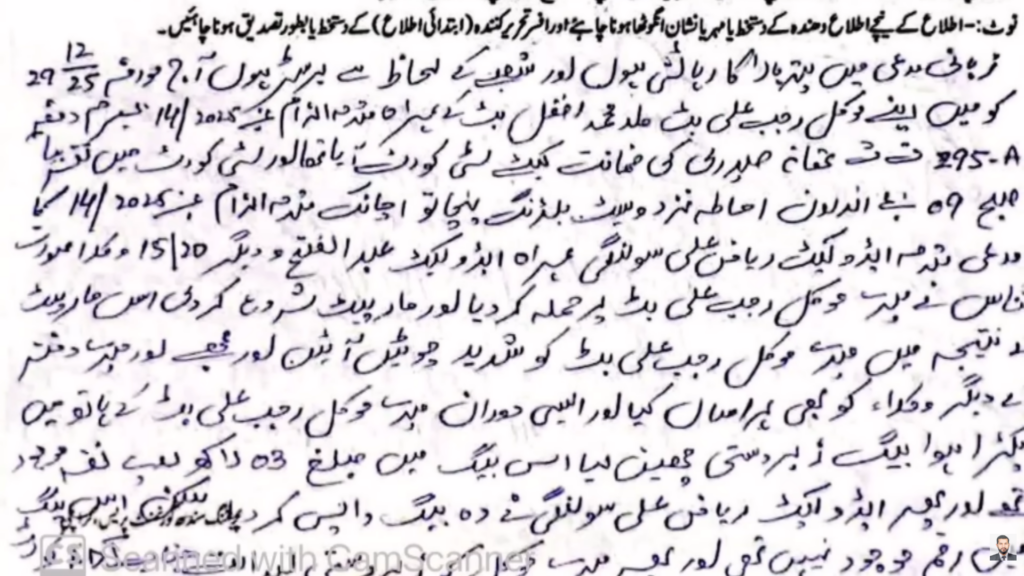
Following a controversial video and subsequent reaction involving Rajab Butt, an altercation occurred at City Court Karachi. An FIR was later registered naming two advocates directly and 15–20 others as “unknown accused.” Several sections of the Pakistan Penal Code (PPC), including 147, 148, 506, 337-A(i), and controversially 382 PPC (robbery), were invoked.
This FIR has since faced strong opposition from Karachi Bar members, senior lawyers, and barristers, who argue that the case was mishandled from the very beginning.
Cognizable vs. Non-Cognizable Offences: The Core Legal Issue
Under Pakistani criminal law:
- Cognizable offences allow police to register an FIR and arrest without court permission.
- Non-cognizable offences require the complainant to file an Istighasa before a magistrate; police cannot register an FIR directly.
Most sections applied in this case — 147, 148, 506, and 337-A(i) — are non-cognizable. Legally, this means:
An FIR could not be registered directly for these offences.
Instead, the proper legal remedy was:
- Filing an Istighasa before a Judicial Magistrate
- Or initiating disciplinary proceedings before the Sindh Bar Council
The Controversial Addition of Section 382 PPC
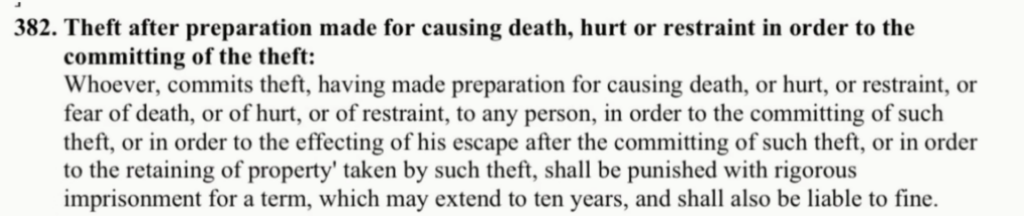
To justify police intervention, Section 382 PPC (robbery) was added. However, serious contradictions emerged:
- One claimant alleged Rs. 3 lakh was stolen
- Video evidence suggested Rs. 1 lakh, not 3
- Another individual stated his bag was never snatched at all
These inconsistencies raise doubts about whether any robbery occurred at all.
In criminal law, contradictions destroy credibility. This is one of the reasons why conviction rates in Pakistan remain extremely low, false or exaggerated claims eventually collapse during trial.
Why Section 355 PPC Was Ignored
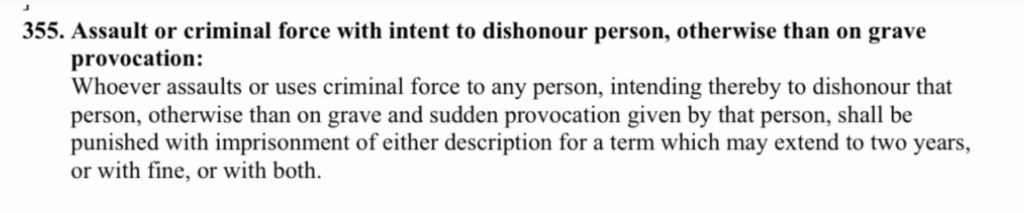
If the allegation was humiliation or assault to dishonor, Section 355 PPC was the most relevant provision. However:
- Section 355 is non-cognizable
- It can only proceed through Istighasa
- It cannot support FIR registration
Its omission further strengthens the argument that the case was framed to enable police action rather than follow lawful procedure.
Collective Punishment and Naming “Unknown Advocates”
Another alarming aspect is the naming of 15–20 unknown advocates, despite video footage showing only two individuals actively involved.
This approach:
- Violates principles of individual criminal liability
- Unfairly damages the reputation of innocent lawyers
- Creates fear and resentment within the legal community
Why Karachi Bar Lawyers Are Protesting
Karachi Bar’s opposition is not about protecting misconduct. It is about protecting due process.
Lawyers argue:
- FIR registration was legally flawed
- The issue should have been resolved through bar councils
- Criminal law was misused as a pressure tactic
Even senior advocates who initially criticized Rajab Butt later shifted their stance after reviewing the FIR’s legal weaknesses.
A Dangerous Legal Precedent
If criticism of one lawyer is treated as an attack on the entire legal fraternity, it sets a dangerous precedent. Law must distinguish between:
- Individual criticism
- Institutional defamation
Collective criminalization undermines freedom of expression and professional accountability alike.
Conclusion
From a legal standpoint, the FIR should not have been registered. The correct and lawful route was:
- Istighasa before a Magistrate
- Disciplinary action through Sindh Bar Council
- Dialogue and reconciliation within the legal community
Misuse of criminal law not only weakens cases but also erodes public trust in legal institutions.
The law demands restraint, procedure, and fairness, even when emotions run high.