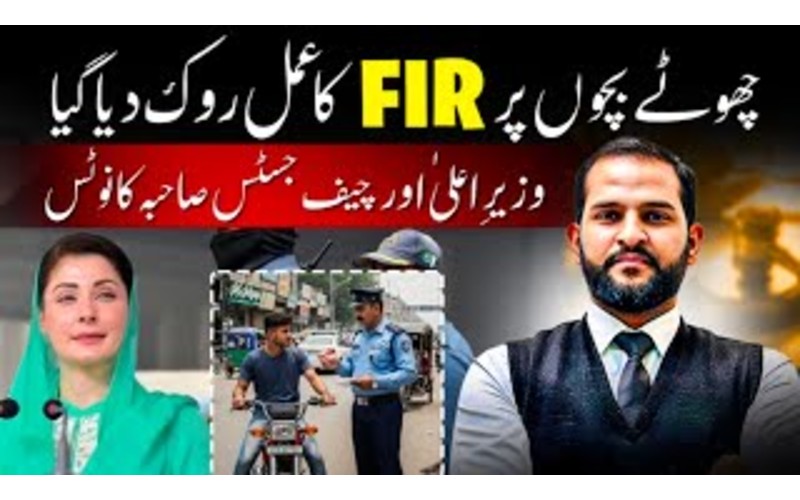
In a landmark decision, the Punjab High Court has directed authorities to stop arresting underage children for traffic violations. This move comes after widespread concerns about minors being booked and handcuffed for offenses like riding motorcycles without helmets.
According to the new directive, 16-year-old students attending smart motorcycle driving classes will receive only a warning for first-time violations such as not wearing a helmet, instead of being subjected to arrests or FIRs.
In a span of just 24 hours alone, the police had registered 32 cases, arrested 31 individuals, and issued fines exceeding PKR 50,000, generating revenue of around PKR 7 crore. This prompted public concern and eventually led the government to take corrective action.
Following a petition filed in the Chief Minister’s office, it was urged that children should be guided and educated, not punished, as many of them are unaware that speeding, not wearing a helmet, or their age could result in an FIR.
In response, Chief Minister Maryam Nawaz introduced a new policy:
- Children under 18 will not have FIRs registered against them for minor traffic offenses.
- Those aged 16 and above will be issued smart cards and licenses as part of a comprehensive awareness program.
- Schools and colleges will conduct educational campaigns to teach children about traffic safety and the consequences of violations.
This decision reflects the power of public voice in shaping policies that protect children’s rights while still upholding the law. The government emphasizes that legal protections remain in place, but minors will now be guided, not penalized, ensuring that their records remain clean and their futures untainted.
Key Takeaways:
- FIRs will not be registered against minors under the new policy.
- Awareness campaigns and smart card issuance will educate young drivers.
- Past cases involving children should be reviewed, and records corrected where necessary.
- This reform highlights the importance of public feedback in influencing government policy.
This progressive step by the Punjab High Court and the government ensures that children are protected, educated, and guided, fostering a safer and more responsible generation of young drivers.